


-
14
Apr
2026
The importance of tanker maintenance in bulk liquid transport
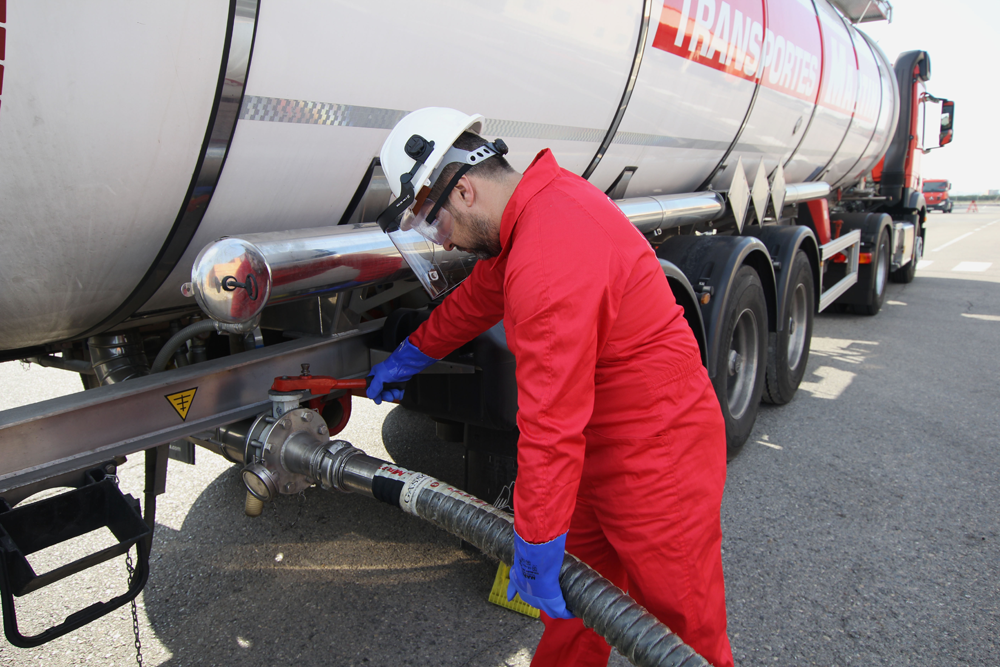
In bulk liquid transport, safety, efficiency, and service quality depend on multiple factors. However, there is one that is absolutely decisive and, at times, underestimated: tanker maintenance.
When transporting corrosive, flammable, toxic substances, or even non-hazardous products, the condition of the equipment not only affects operations, but can also become a critical risk factor.
A poorly maintained tanker does not only compromise the cargo… it compromises the entire system.
A Key Element in the Logistics Chain
Tankers are not simple containers. They are specialized units designed to guarantee:
- The integrity of the transported product
- Safety throughout the journey
- Compliance with current regulations
- Protection of the environment
During use, they are exposed to extreme conditions: temperature changes, internal pressure, aggressive chemical products, and wear caused by continuous use.
That is why maintenance should not be seen as a one-off action, but as an ongoing and planned strategy.
Consequences of Poor Maintenance
Neglecting the condition of a tanker can lead to serious problems affecting both the company and third parties.
Operational Risks
- Leaks or spills during loading, transport, or unloading
- Failures in valves, seals, or locking systems
- Pressure loss or issues in pumping systems
Risks to the Product
- Cross-contamination between different loads
- Alteration of product properties
- Loss of quality or unusable goods
Environmental Impact
- Polluting spills
- Damage to soil, water, or ecosystems
- High clean-up costs and penalties
Legal and Reputational Consequences
- Non-compliance with regulations such as ADR
- Financial penalties
- Loss of customer trust
In industrial sectors, where precision and safety are essential, these failures can have a highly significant impact.
What Does Proper Tanker Maintenance Include?
Effective maintenance combines technical inspections, preventive control, and well-defined action protocols.
1. Specialized Technical Cleaning
Internal tanker cleaning is essential, especially when transporting different types of liquids.
- Prevents cross-contamination
- Guarantees product purity
- Meets demanding quality standards required by clients
In some cases, specific processes are required depending on the type of substance transported.
2. Regular Inspections
Technical inspections make it possible to detect potential faults before they become major problems.
Elements reviewed include:
- Valves and opening/closing systems
- Seals and gaskets
- Structural condition of the tanker
- Pressure and safety systems
These inspections must be carried out at established and documented intervals.
3. Corrosion and Wear Control
The transport of chemical products can cause internal or external wear to the tanker.
Good maintenance includes:
- Material inspections
- Anti-corrosion treatments
- Replacement of damaged components
This is essential to extend the equipment’s service life and prevent structural failures.
4. Regulatory Compliance
Bulk liquid transport, especially hazardous goods, is governed by strict regulations such as ADR.
Maintenance guarantees:
- The tanker complies with legal requirements
- It is certified for the type of goods transported
- It can pass inspections without incidents
5. Traceability and Documentation Control
Recording every maintenance task, inspection, or cleaning process is essential.
This allows companies to:
- Anticipate possible breakdowns
- Guarantee transparency for clients
- Comply with audits and controls
Maintenance as a Competitive Advantage
Beyond safety, tanker maintenance provides strategic value for transport companies.
✔️ Improves operational efficiency
Reduces downtime and prevents incidents on the road.✔️ Lowers long-term costs
Prevention is always more cost-effective than repairs.✔️ Strengthens customer trust
Ensures the product arrives in perfect condition.✔️ Reduces environmental impact
Prevents leaks and optimizes resource use.In an increasingly demanding sector, these factors make all the difference.